Respiratory failure is the most frequent cause of death for people with osteogenesis imperfecta, followed by accidental trauma. Infants with type ii brittle bone disease develop fractures even.

Developmental Charts For The Body Mass Of Children With Type I Download Scientific Diagram
Type i, or mild oi, is the most common form.

Osteogenesis imperfecta life expectancy type 1. Type 2 oi is usually fatal; Generally, people with mild or moderate disease have a normal life expectancy. It is generally estimated to be the most severe type of oi.
Type i oi is different from all other types of oi in an important way. De novo most cases of osteogenesis imperfecta have an autosomal dominant pattern of inheritance, but most infants with more severe forms of the condition (types ii and iii) are caused by new mutations. The life expectancy of a person with osteogenesis imperfecta (oi) greatly depends on the type of the disease.
Babies with type ii often die soon after birth. The symptoms, physical findings, and severity related to this disease can vary from one child to another, depending on the type of the disease. It was not unexpected that among patients with osteogenesis imperfecta type iii life expectancy was impaired.
Type iii is also called severe oi. Type i is the mildest and most common form of the disease and makes up about half of all cases. Osteogenesis imperfecta is divided into eight types designated by the roman numerals i through viii.
Life expectancy varies greatly depending on oi type. A higher incidence of osteogenesis imperfecta has been observed in 2 major tribal groups in zimbabwe. Life expectancy varies depending on how severe the oi is, ranging from very brief (lethal form, oi type ii) to average.
Osteogenesis imperfecta (oi) is a hereditary connective tissue disease often due to mutations in genes coding for type 1 collagen. Children with type iii may live longer, but often only until around age 10. Children will usually die in the womb when they are diagnosed with type 2 oi.
Such babies may die soon after birth. There are four types of osteogenesis imperfecta. Life expectancy for males with oi was 9.5 years shorter than that for the general population (72.4 years vs 81.9 years), and for females, was 7.1 years shorter than that for the general population.
Little is known about the risk of cardiovascular disease (cvd) in oi. In the mild form of the disorder, type i, the life expectancy of patients is near that of the general population. Type 2 oi a child with type 2 oi may die in the womb or shortly after birth from respiratory problems.
People with this type can live a normal lifespan. In persons with type 1 oi, they will live a relatively normal life with only a few problems. People suffering from it can expect to live as long as any normal individual.
People with this type have many fractures starting. It is characterized by an increased susceptibility to bone fractures and decreased bone density. In the composite group of patients with types ib, iva, and ivb, life expectancy was reduced to a modest extent.
Oi occurs in approximately 1 in 20,000 individuals, including people diagnosed after birth. Living with osteogenesis imperfecta (oi) quality of life with oi depends on the type of oi that one may have. Type iii happens in 1 out of 70,000 live births.
The most severe forms may cause death in infancy. The prognosis of osteogenesis imperfecta depends entirely on its type (see § classification). When there is a problem with the body’s production of type 1 collagen, the bones are brittle and break more easily.
Other people do not develop symptoms until later in life, or only experience symptoms so mild that they go undiagnosed well into their adults lives. Type ii is a severe form that often leads to death in the first year of life. Type ii forms of this genetic disorder occur in 1 out of 60,000 live births.
The effects of osteogenesis imperfecta vary greatly: A person who has mild osteogenesis imperfecta symptoms might experience a few fractures, and life expectancy isn’t affected. In the most severe form of oi called type ii or perinatally lethal oi, the baby is born with multiple broken bones.
We found that life expectancy in osteogenesis imperfecta type ia is similar to that in the general population. It is a mild form of this condition. Those with severe types of osteogenesis imperfecta might have hundreds of breaks in a.
It is also known as “brittle bone disease.” osteogenesis imperfecta literally means “bone that is imperfectly made from the beginning of life.” a person is born. The type of disease of the bone is determined by the particular genetic mutation and pattern of inheritance. They may also have severe physical deformities.
Osteogenesis imperfecta (oi) is a group of disorders. Motor disability (kyphoscoliosis, fractures), hearing loss in adulthood. The median survival time for females with oi was 77.4 years, compared to 84.5 years in the reference population.
Type i osteogenesis imperfect occurs in 1 out of 30,000 live births. The baby also has a small rib cage with underdeveloped lungs. Osteogenesis imperfecta (oi) is a genetic disorder of connective tissues caused by an abnormality in the synthesis or processing of type i collagen.[1][2] it is also called brittle bone disease.
Osteogenesis imperfecta (oi) is a genetic bone disorder characterized by fragile bones that break easily. People with type iii oi also have a significantly shortened life span. What is the life expectancy of someone with osteogenesis imperfecta (oi)?
However, the affected children with more severe osteogenesis imperfecta type. If your child has type 1 oi, they can live a normal life with relatively few problems. Osteogenesis imperfecta (oi), commonly known as brittle bone disease, is a hereditary connective tissue disease characterized by fragile bones that are highly prone to breaking.
Type ii is the most severe form. All other forms of oi are considered to be quite rare. Collagen type 1 is important in the development of the heart and vasculature.
Osteogenesis imperfecta is a lifelong condition. Oi occurs with equal frequency among males and females and among racial and ethnic groups. Other manifestations include blue sclerae, dentinogenesis imperfecta, short stature, as well as deafness.
Patients with oi had a higher risk of death from respiratory diseases, gastrointestinal diseases, and trauma. Type 1 collagen, the main protein building block in bone, is also important in other connective tissues such as tendons and ligaments. Despite the fractures, physical activity, restricted and short stature, most adults and children with osteogenesis imperfecta type i and iv carry a life similar to that of the general population.

Fig 1 The Bmj

Wishbone Day Raises Awareness Of Osteogenesis Imperfecta - Dna Science

Pdf Causes Of Death In Osteogenesis Imperfecta
Signaling Pathways Affected By Mutations Causing Osteogenesis Imperfecta - Sciencedirect

Osteogenesis Imperfecta Dr Mahesh
Osteogenesis Imperfecta

Classification Of Osteogenesis Imperfecta Download Table

A In Osteogenesis Imperfecta Oi Matrix Accumulates Smaller More Download Scientific Diagram

Nutrition In Osteogenesis Imperfecta - Sciencedirect

Pdf Management Of Osteogenesis Imperfecta At The Chris Hani Baragwanath Hospital Semantic Scholar

Osteogenesis Imperfecta Recent Findings Shed New Light On This Once Well-understood Condition - Genetics In Medicine
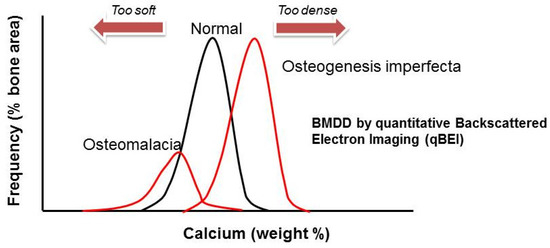
Ijms Free Full-text Mechanisms Of Bone Fragility From Osteogenesis Imperfecta To Secondary Osteoporosis Html
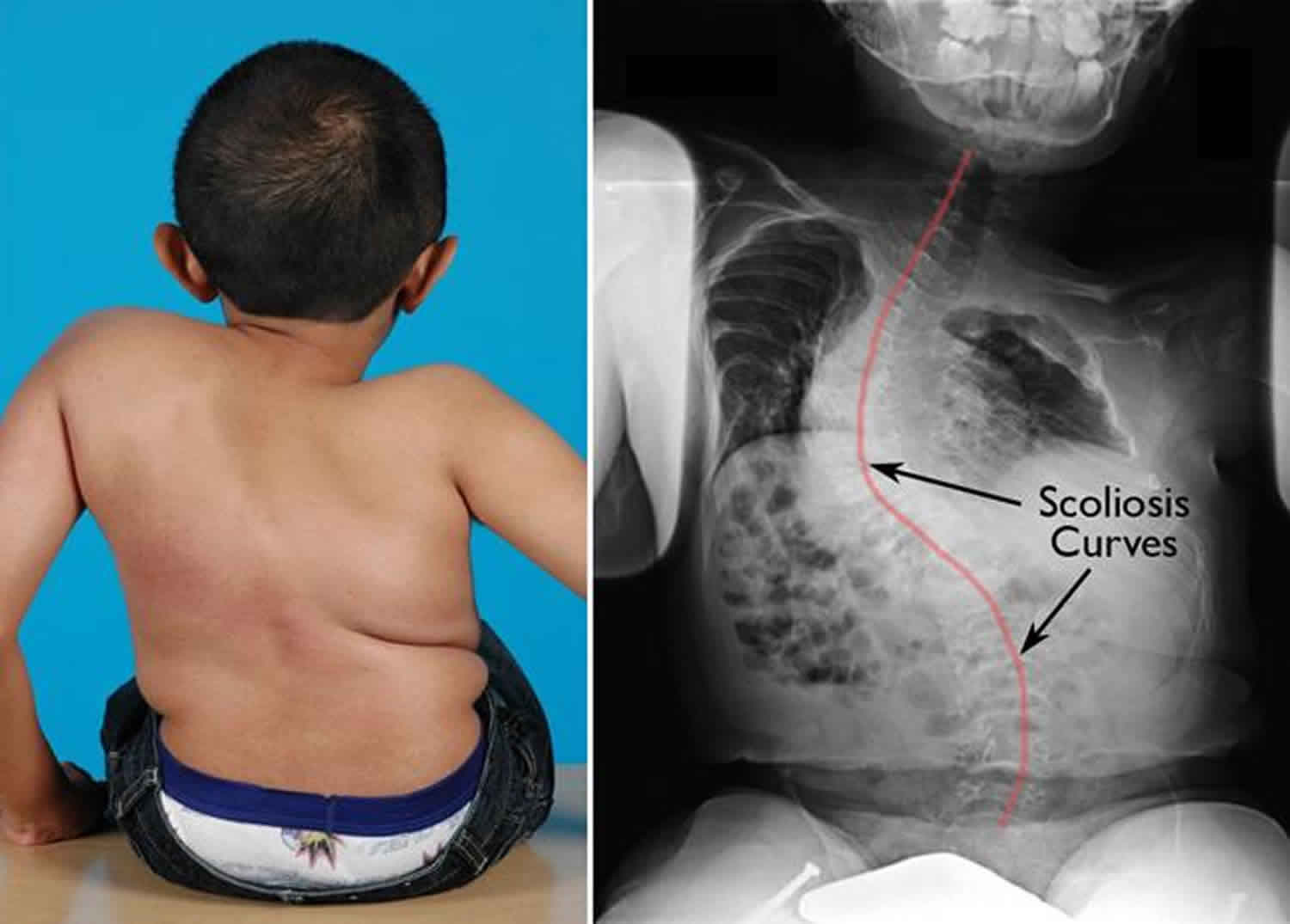
Osteogenesis Imperfecta Causes Symptoms Types Prognosis Treatment

Pdf Developmental Charts For Children With Osteogenesis Imperfecta Type I Body Height Body Weight And Bmi
.jpg)
Types Of Osteogenesis Imperfecta Oi Brittle Bone Disease

Age At Death In 79 Patients With Osteogenesis Imperfecta Subdivided Download Scientific Diagram

Osteogenesis Imperfecta Orthopaedia

Skeletal Effects And Functional Outcome With Olpadronate In Children With Osteogenesis Imperfecta A 2-year Randomised Placebo-controlled Study - The Lancet

Type V Osteogenesis Imperfecta Download Table
Comments
Post a Comment